
Hormones, Stress and Core Support: The Overlooked Connection
Hormonal shifts and chronic stress can quietly influence core and pelvic floor support. This article explores how hormones, the nervous system, and movement work together — and why understanding this connection matters.
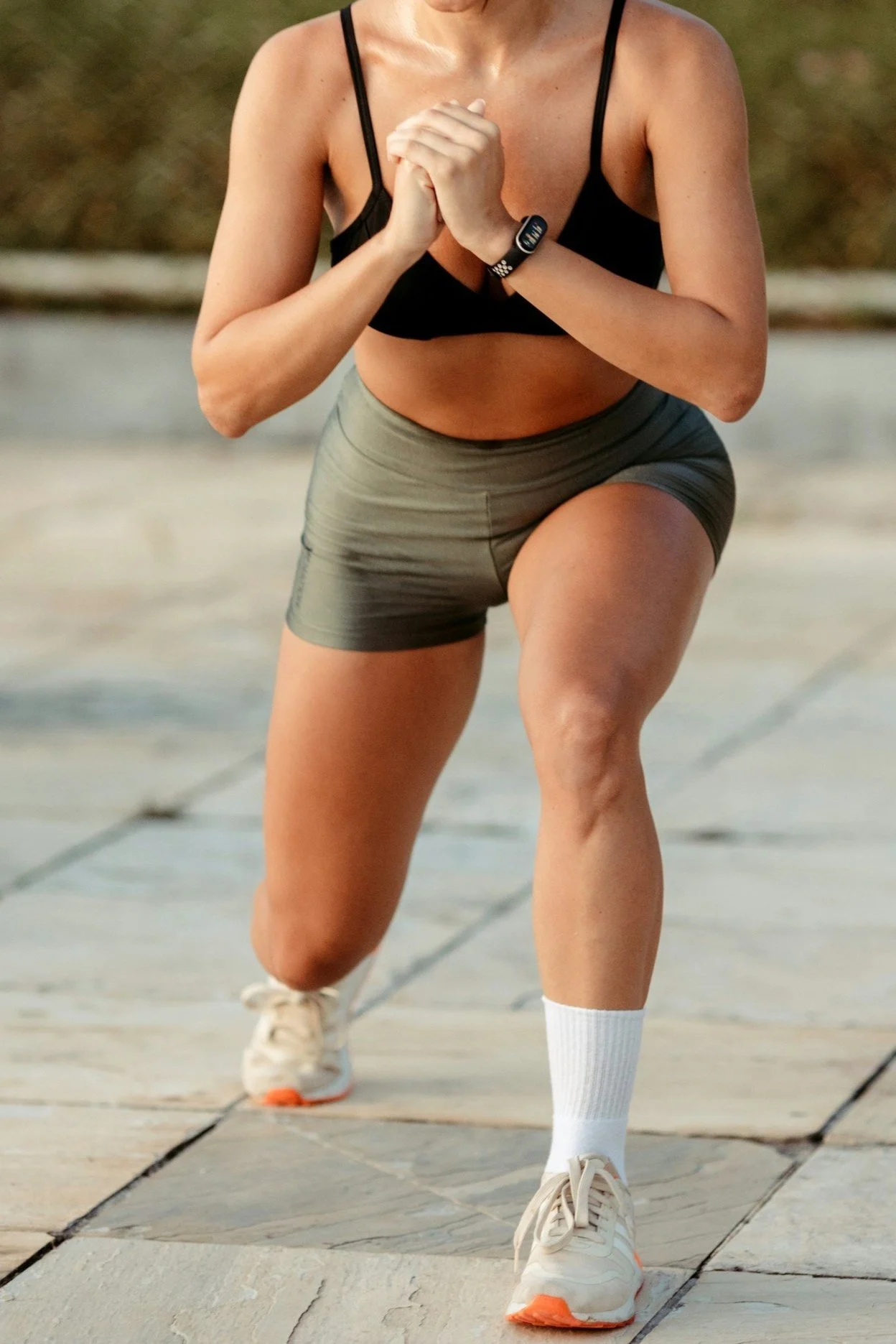
Breathing, Pressure & the Pelvic Floor: Why It Matters More Than You Think
An evidence-informed look at the relationship between breathing, pressure, and the pelvic floor, and how this connection impacts symptoms, movement, and long-term support.

Postpartum Healing: How to rebuild with confidence
Postpartum recovery isn’t about bouncing back. It’s about understanding your body, supporting healing, and rebuilding confidence at a pace that actually works.
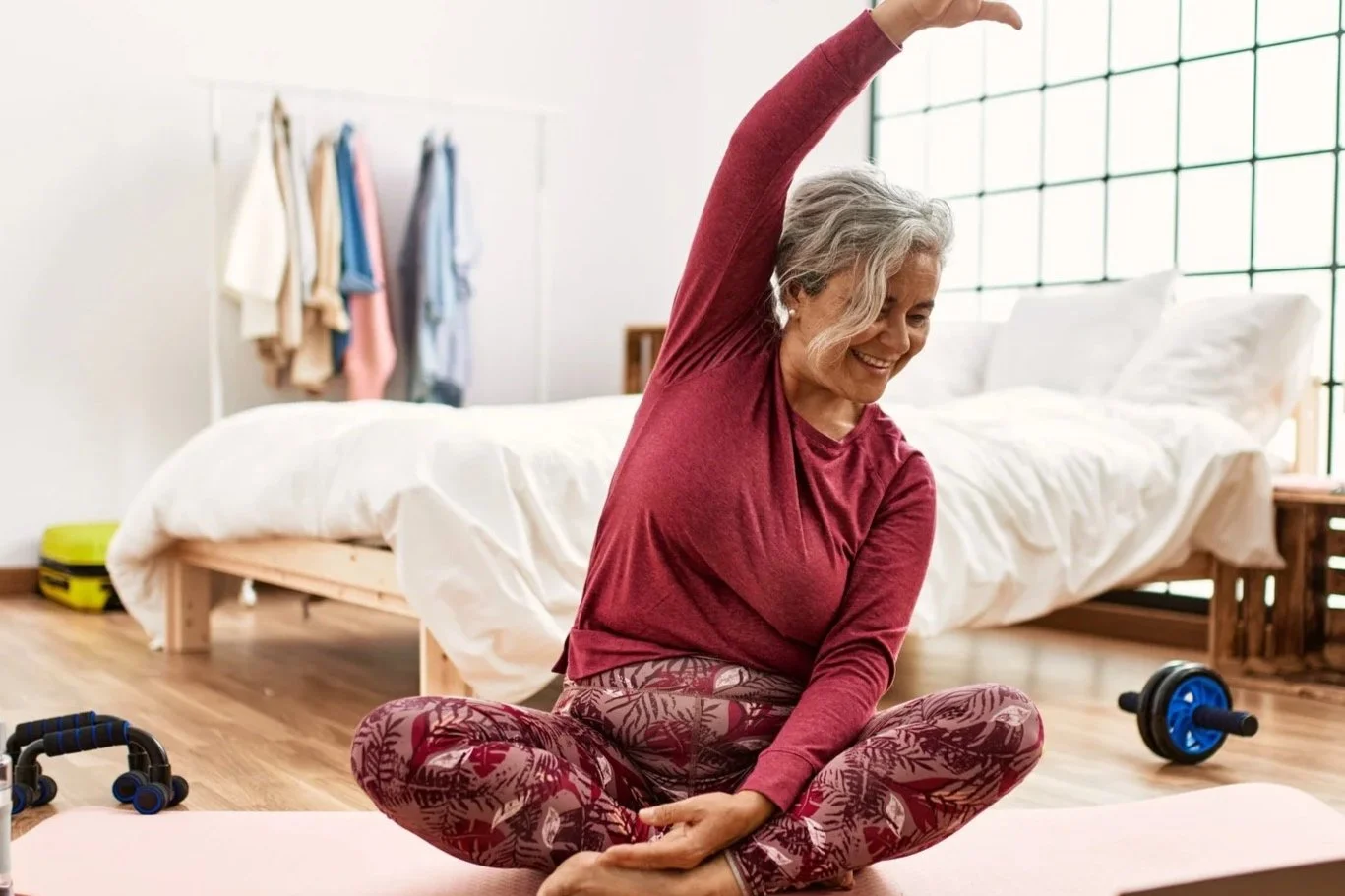
Pelvic floor prolapse - what you need to know
A clear, reassuring guide to pelvic floor prolapse - what it is, why it happens, and how many women learn to move, exercise, and live well with the right support.

Breathing, Pressure & the Pelvic Floor: A Practical Guide
Breathing plays a central role in how the pelvic floor manages pressure. This practical guide explains why it matters - and how everyday breathing patterns can influence symptoms and support.
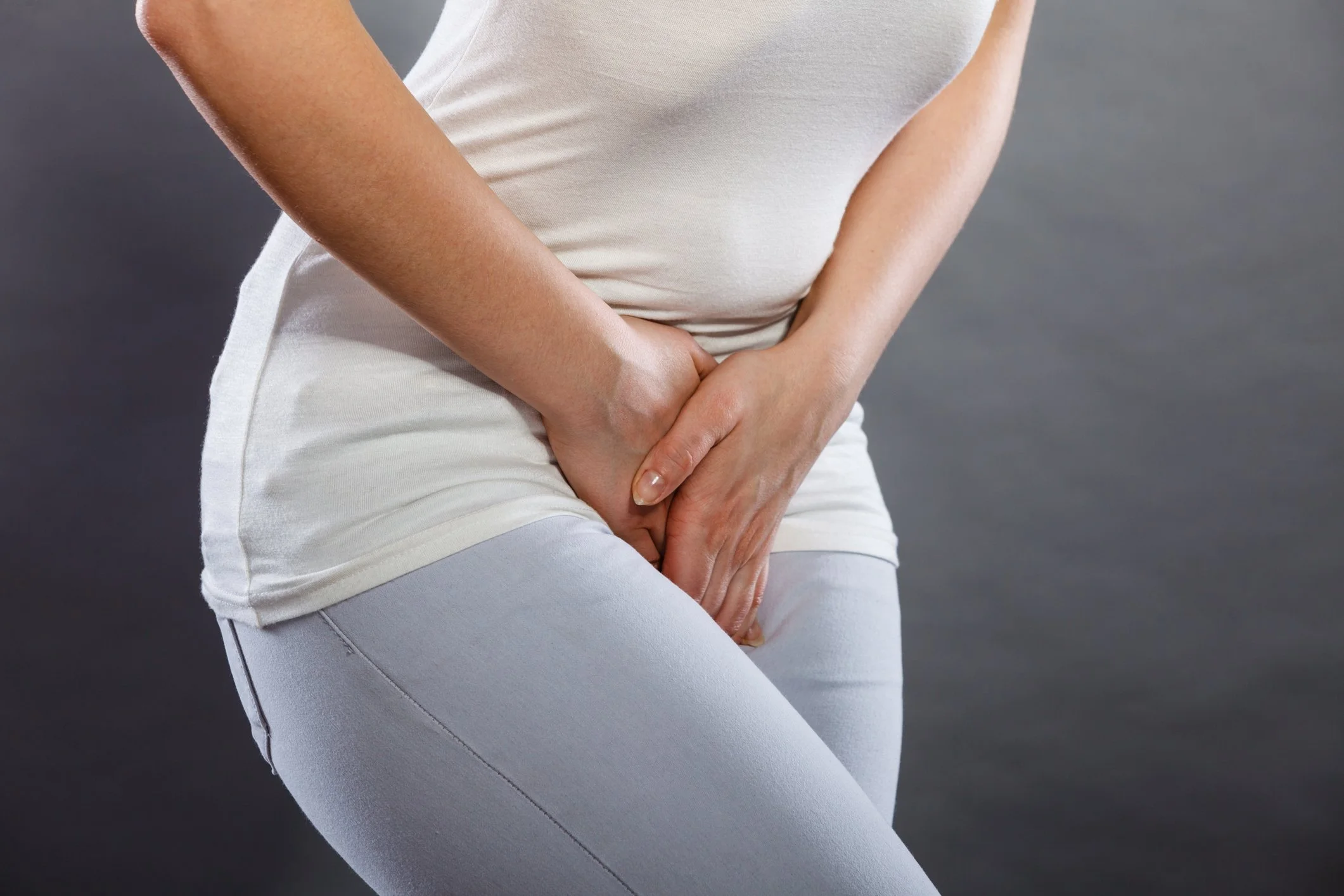
Urinary Incontinence Is Common -But you don’t have to accept it
Leaking with exercise, coughing, or daily movement is common, but it isn’t inevitable. Learn why urinary incontinence happens and how a more coordinated, body-led approach can help.
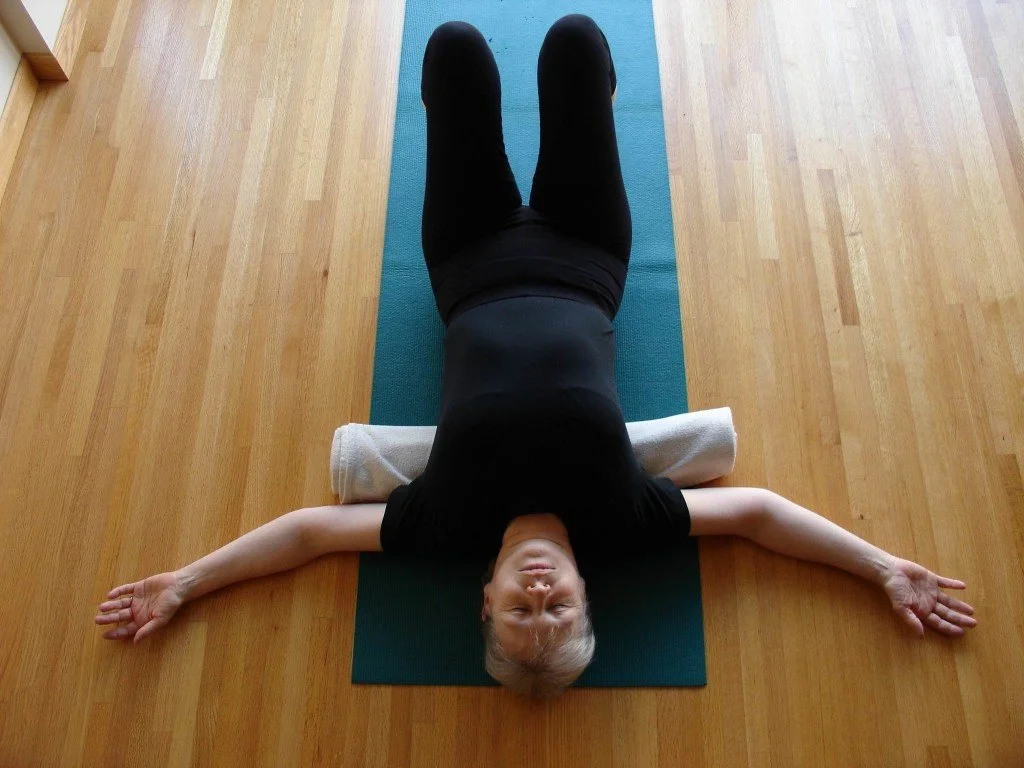
How menopause effects the pelvic floor
Hormonal change can quietly influence pelvic floor function. This article explains why symptoms often appear or shift during perimenopause and menopause — and what actually supports your body during this transition

Understanding a tight pelvic floor
When your pelvic floor muscles stay “on” all the time, they stop doing their job well. You might notice things like leaking, constipation, pain with sex, trouble orgasming, or that dull ache in your back or hips that never quite goes away.